Everything Catholic. In One Place.

Explore Catholic reflections, theology, and spiritual guides to deepen your prayer life and grow closer to Christ on your faith journey.
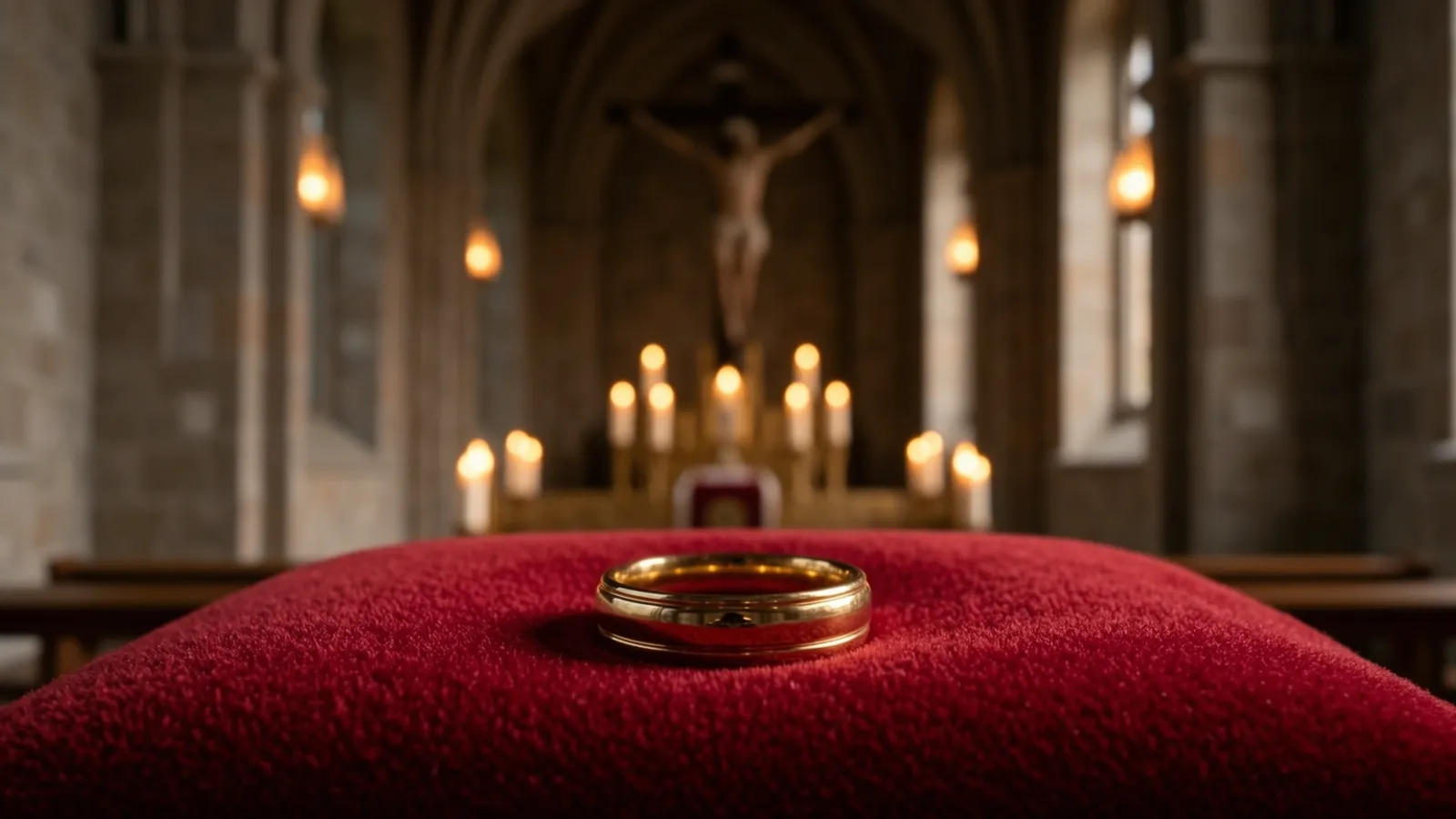
Catholic marriage rules are the canonical and theological requirements established by the Church to ensure a valid and sacramental union. These include being free to marry, observing the proper canonical form, and expressing true matrimonial consent before an authorized priest or deacon and two...
The ultimate answer to what is the meaning of life is to know, love, and serve God in this world and to be happy with Him forever in the next. The Catholic Church teaches that this purpose is fulfilled through the reception of God's grace, specifically through the divine mercy history revealed to...
Patron saints are heavenly intercessors who have been assigned by the Church or historical tradition to provide special protection and prayer for specific groups, places, or needs. These holy men and women are recognized as members of the Church Triumphant who stand before God and offer the prayers...
A Catholic Christian is a member of the Church founded by Jesus Christ who adheres to the fullness of the faith as transmitted through Sacred Scripture and Sacred Tradition. This identity is defined by the belief in the divinity of Christ and the Holy Trinity, a theological foundation that Saint...
The feast of Saint Catherine of Siena in 2026 falls on Wednesday, April 29. This date remains fixed on the General Roman Calendar because April 29 marks the day of her death in 1380, which the Church celebrates as her dies natalis or birth into heaven. As a Doctor of the Church and a patroness of...
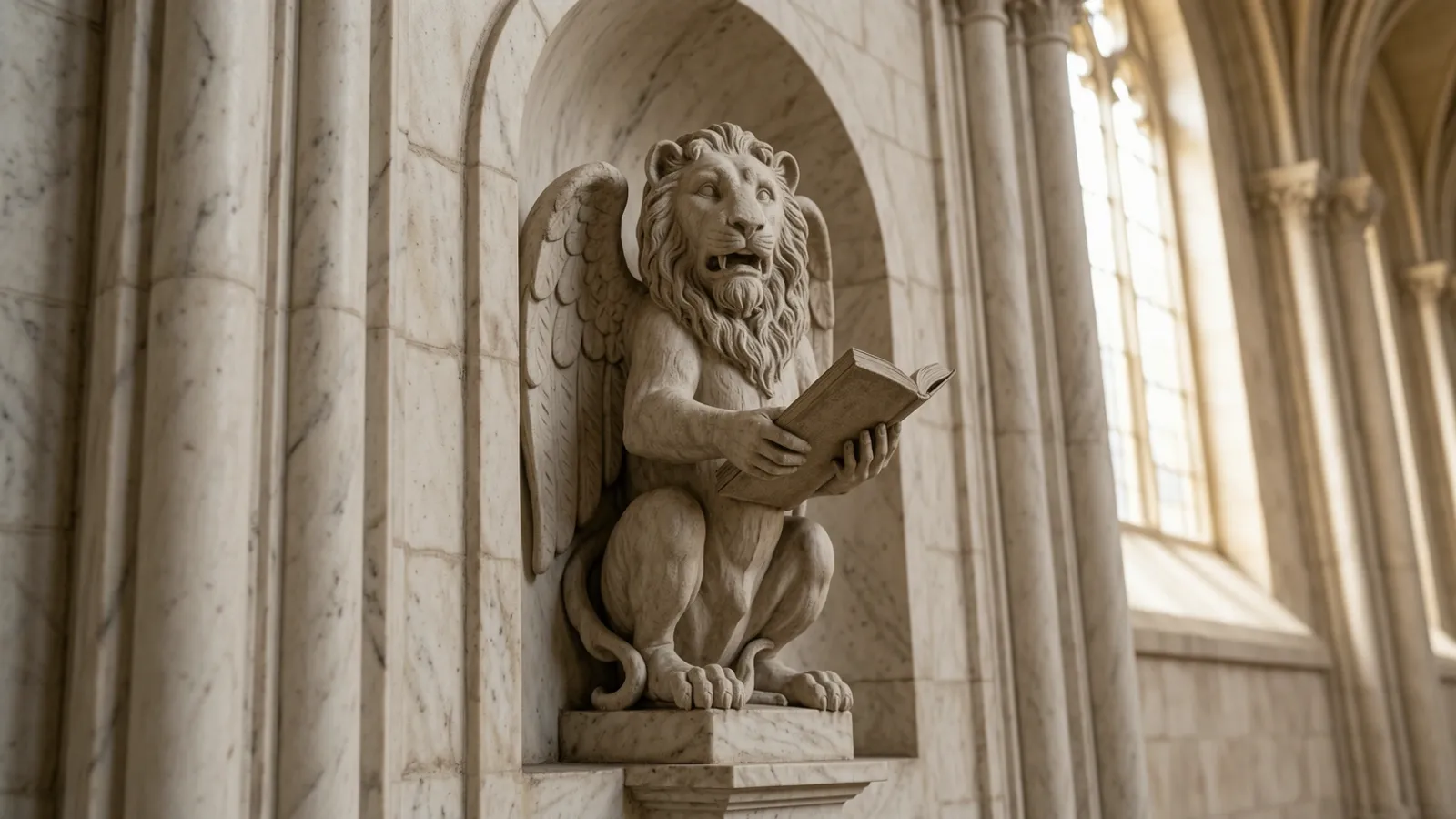
The winged lion is the primary symbol of Saint Mark the Evangelist, and many Catholics ask what is the meaning of this symbol when they see it in cathedral architecture or liturgical art. This symbol represents the royal dignity of Christ, His Resurrection, and the "voice of one crying in the...
Catholic fasting rules change significantly during the Easter season because the strict Lenten fast ends at the start of the Easter Vigil. While the 40 days of penance are complete, Catholics are still generally required to observe Friday abstinence from meat or perform another act of penance...
The Octave of Easter is the eight-day period in the Catholic Church that begins on Easter Sunday and concludes on the following Sunday, known as Divine Mercy Sunday. During these eight days, the Church treats every day as a single, continuous celebration of the Resurrection of Jesus Christ,...
Catholics must go to confession at least once a year if they have committed a mortal sin, as established by the Precepts of the Church. The primary query how often should catholics go to confession is best answered by distinguishing between the minimum obligation and the recommended spiritual...
Catholics should go to reconciliation at least once per year during the Easter season to fulfill the minimum requirements of Church law. However, for those seeking spiritual growth and the maintenance of a state of grace, the Church strongly recommends going to confession once a month or whenever a...
Catholics should pray every day, as the Church recommends a consistent rhythm of morning, evening, and mealtime prayers to maintain a life of grace. While there is no single rule for how many minutes one must spend in prayer, the Catechism and the Code of Canon Law emphasize that prayer is a vital...
The chaplet of divine mercy prayer is a powerful Catholic devotion recited on standard rosary beads that focuses on the mercy of God as revealed through the Passion of Jesus Christ. To pray it, one offers the Body, Blood, Soul, and Divinity of Christ to God the Father in atonement for the sins of...